The packaging design process: from brief to print-ready files
The packaging design process runs in eight stages: brief, structure and dieline, concepts, label copy check, 3D mockup and sample, artwork finalising, printer proof and press check. At O2O Creative in Petaling Jaya and Penang, it takes 3 to 6 weeks from approved brief to print-ready files, at RM2,500 to RM6,500 per SKU. Most delays come from late label text and missing dielines.
We reply within 1 business day.
At a glance
- Stages
- 8, from brief to press check
- Timeline (O2O Creative)
- 3 to 6 weeks, brief to print-ready files
- Design fee (O2O Creative)
- RM2,500 to RM6,500 per SKU
- Lock before concepts
- Dieline and label text
- Final files
- CMYK, Pantone spots, bleed, finish layers
- Last check
- Printer proof on the real board
The packaging design process at a glance
Good design for packaging is built in a fixed order. Each stage locks something the next one depends on, so skipping ahead usually means redoing work. This is the process we follow for packaging boxes, labels and pouches for Malaysian brands.
| Stage | What you get | When it happens |
|---|---|---|
| 1. Brief | Agreed brief: product, shelf, competitors, SKUs, budget, quantities | First, before any design |
| 2. Structure and dieline | Pack style and a dieline at your exact size | Before concepts start |
| 3. Concepts | Up to three directions on your real pack shape | After brief and dieline are approved |
| 4. Label copy check | All label text placed and checked against Malaysian rules | While the chosen concept is refined |
| 5. 3D mockup and sample | 3D renders, then a printed and folded sample | Once one direction is chosen |
| 6. Artwork finalising | Print-ready files with bleed, colour and finish layers | After the sample is approved |
| 7. Printer proof | Digital or physical proof checked against the artwork | After files go to the printer |
| 8. Press check | Colour approved on the press sheet | First sheets of the run, optional |
| Total | Brief to print-ready files | 3 to 6 weeks at O2O Creative |
1. Brief
The brief decides everything that follows. It should answer five questions:
- Product. What it is, its size and weight, how it is stored and which claims you want to make.
- Shelf. Where it sells. A hypermarket shelf, a pharmacy counter, a Shopee listing and a gift shop each reward a different design.
- Competitors. The packs that sit next to yours. Photograph them or send the links.
- Budget. The design budget and the target print cost per unit, because unit cost limits the structure and finishes you can use. Our packaging design cost guide covers fees and extras.
- Quantities. The SKU count and the first print run. Short runs usually go to digital printing and larger runs to offset, which changes the finishes available.
You supply: product samples or exact measurements, the SKU list, competitor packs, your budget, the print quantity, and logo files and brand guide if you have them.
2. Structure and dieline
Box design starts with structure, not graphics. These are the formats most Malaysian SMEs choose from:
| Format | Suits | Notes |
|---|---|---|
| Tuck end box | Supplements, cosmetics, tea, small food items | Folding carton, standard dielines are easy to get |
| Mailer box | E-commerce and gift orders | Corrugated board that survives courier handling |
| Rigid box | Gift sets and premium products | Board wrapped in printed paper, higher unit cost and longer lead time |
| Sleeve | Over a tray, jar set or plain box | A low-cost way to brand stock packaging per SKU |
| Pouch | Snacks, coffee, powders | Printed laminated film from a flexible packaging maker, not a box printer |
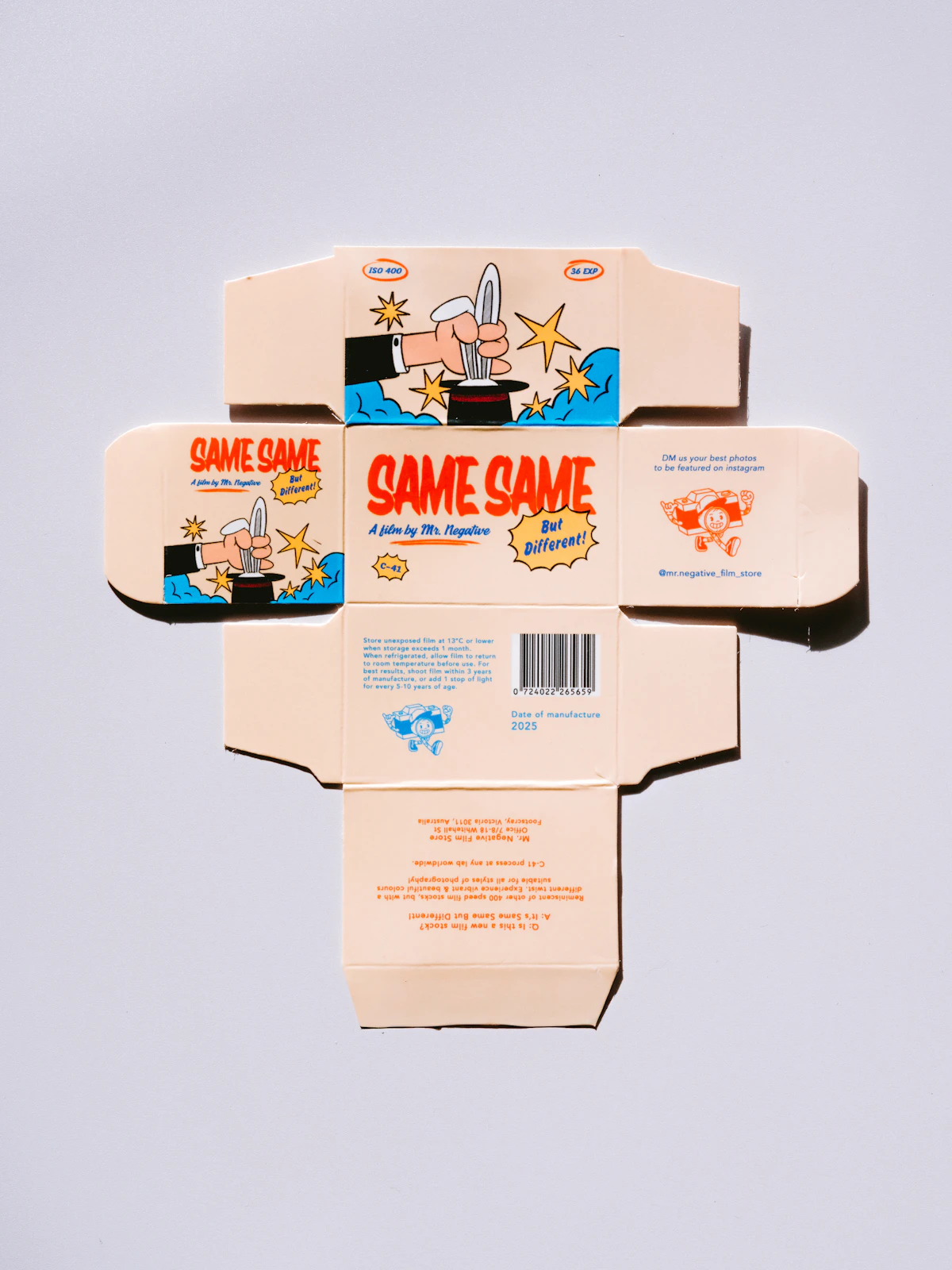
The dieline is the flat drawing of cuts, folds and glue areas. Ask your printer or box maker for one at your exact size. If they have none, we draw it to your product and confirm it with them before artwork starts. A standard size often avoids the cost of a custom die.
You supply: your printer or box maker’s contact and dieline, or a product for us to measure.
3. Concept designs
We present up to three directions on your actual pack shape, not on a flat rectangle. Each concept shows the front, the information panel and how the range extends across SKUs. Judge them at arm’s length and at Shopee thumbnail size, not only on a laptop screen.
You supply: one round of combined feedback from everyone who signs off.
4. Label copy and regulatory check
Label text often takes longer than the graphics. Food made in Malaysia needs its required particulars in Bahasa Malaysia, and many brands add English and Chinese. We place the text at the required sizes and check the layout, but the approved wording and certificates come from you. The rules are in our label requirements guide, and food-specific choices are in our food packaging design guide.
You supply: final ingredients, nutrition data, net quantity, manufacturer address, GS1 barcode numbers and a halal certificate if you hold one.
5. 3D mockup and physical sample
3D mockups let you approve the look and give you images for pre-launch marketing. They do not show how the box folds. For a new structure, a printed and folded sample catches text running over a fold, a barcode on a glue flap or a front panel facing the wrong way. Ask your printer whether they make white samples or short prototype runs, and whether they charge for them.
You supply: approval of one direction, and the sample cost if your printer charges for it.
6. Artwork finalising
Final files are built to your printer’s specification:
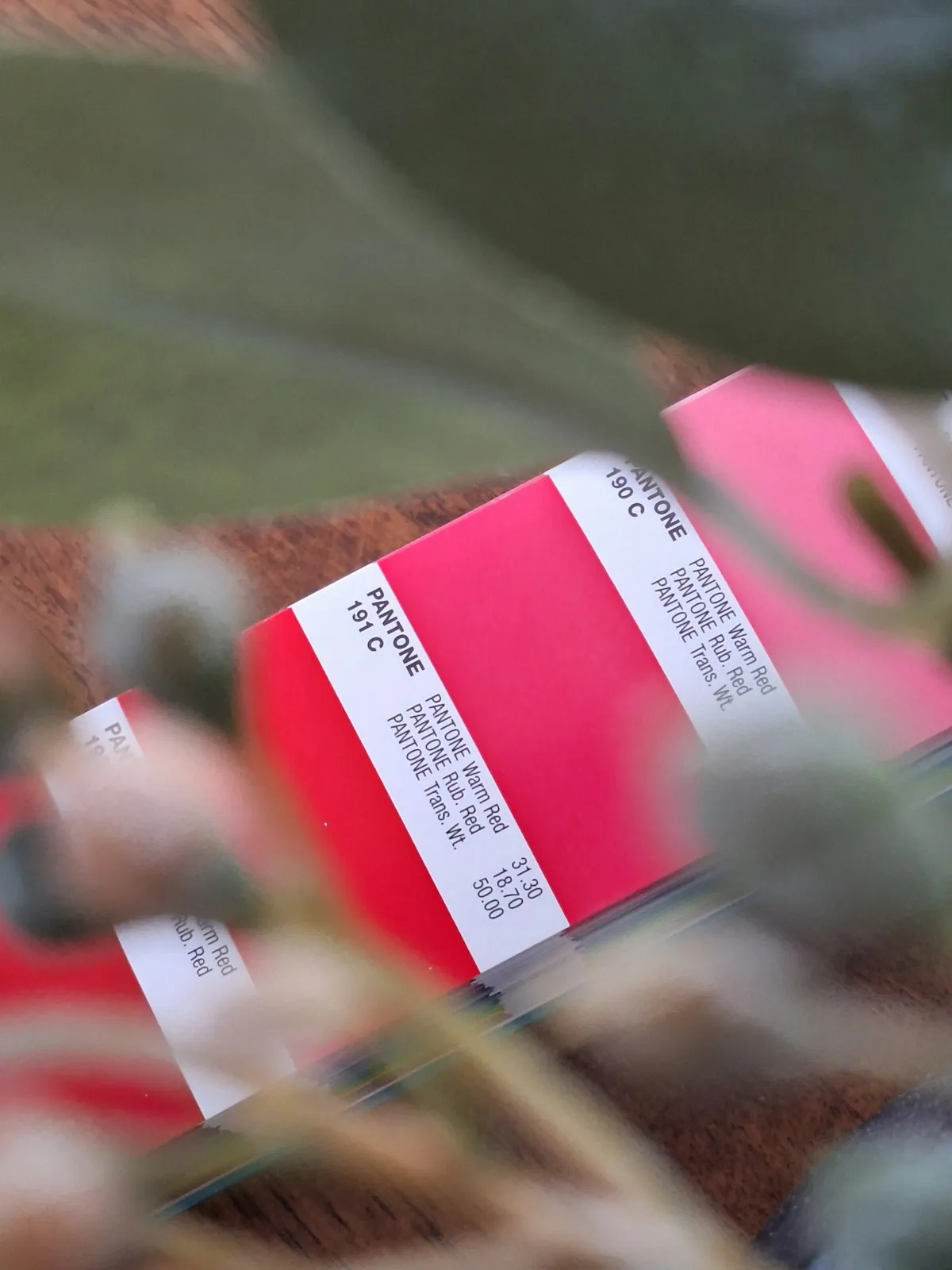
- Colour. CMYK for process colour, plus Pantone spot colours where a brand colour must match exactly.
- Bleed. Artwork extends past the cut line, commonly 3 mm, or whatever your printer asks for.
- Finish layers. Foil, spot UV or varnish, and emboss or deboss each sit on their own layer as solid shapes.
- Housekeeping. Text outlined, images at print resolution, dieline on a non-printing layer.
Board and paper change how colour prints and which finishes work. See our print paper guide.
You supply: written approval of every panel. Changes after this stage mean a new proof.
7 and 8. Printer proof and press check
The printer sends a digital proof, and for colour-critical jobs a physical proof on the real board. Check every SKU for text, barcode, colour and position on the dieline. Screens do not show printed colour accurately, so judge colour on paper. For large runs or exact brand colours, a press check at the printer lets you approve the first sheets before the full run. We review proofs with you and flag colour or cutting issues before mass production.
You supply: proof sign-off to the printer, and attendance at the press check if you want one.
Common delays
- Late or changing label text. Lock the wording before stage 4.
- No dieline. Ask the printer at the brief stage, not after concepts.
- Feedback in separate rounds. Name one person who makes the final call.
- Barcodes not registered. Start GS1 Malaysia registration when you write the brief.
- Halal certificate pending. We leave space for the logo and add it once the certificate is valid.
- Changing printer midway. A new printer may need a different dieline and file setup, which reopens stage 6.
Timeline and next step
O2O Creative takes 3 to 6 weeks from approved brief to print-ready files, at RM2,500 to RM6,500 per SKU. Printing time is set by your printer and comes after. See our product packaging service or send your brief through the quote form.
Questions clients ask before they hire us
How long does the packaging design process take?
At O2O Creative, 3 to 6 weeks from approved brief to print-ready files. A label for an existing jar sits at the short end. A new box structure across several SKUs with labels in three languages sits at the long end, and printing time is added by your printer.
What is a dieline in packaging design?
A dieline is the flat drawing of a box or pack with every cut, fold and glue area marked. The artwork is built on top of it, so it must match your exact pack size. Ask your printer or box maker for one before design starts.
What should I prepare before briefing a packaging designer?
Your product or its exact measurements, the SKU list, where it will be sold, photos of competing packs, your design budget and your first print quantity. Add your logo files, your printer's details and any label text you already have.
Do I need a physical sample before printing packaging?
For a new box structure, yes. A 3D mockup shows the look, but only a printed and folded sample shows text crossing a fold, a barcode on a glue flap or a panel facing the wrong way. For a label on an existing container, a printed proof is usually enough.
What is a press check?
A press check means attending the first sheets of the print run at the printer and approving colour before the full run continues. It is worth doing for large runs and exact brand colours. For small digital runs, a signed proof is usually enough.
Tell us what you are making
Send the basics. We reply within one working day with questions or a fixed quote.
- WhatsApp us
- sales@o2ocreative.my
- +603 7620 7020, 10am to 7pm, Monday to Friday
Petaling Jaya
Unit B-01-3A, 3 Two Square, No. 2, Jalan 19/1, Section 19, 46300 Petaling Jaya, Selangor
Penang
1-12-6, Suntech @ Penang Cybercity, Lintang Mayang Pasir 3, Bayan Baru, 11950 Bayan Lepas, Penang