Signboard design in Malaysia: types, readability and council rules
Good signboard design in Malaysia starts with the type of sign, a logo lockup that fits a wide format and text that reads from the road. Your local council must approve the signboard, and Bahasa Malaysia must be prominent. O2O Creative in Petaling Jaya and Penang designs signboard artwork within corporate identity projects from RM5,000, taking 6 to 8 weeks.
We reply within 1 business day.
At a glance
- Common types
- Lightbox, 3D LED channel letters, ACP panel, LED neon flex, pylon, wall-mounted, projecting
- Who approves
- Your local council (PBT), before installation
- Language
- Bahasa Malaysia required and more prominent than other languages in many councils
- O2O designs
- Artwork, logo lockup, layout and colour specs
- Contractor handles
- Structure, materials, lighting, wiring and installation
What makes a good shop signboard
Whether you call it signage board design or shop signboard design, the brief is the same. A shop signboard has one job: tell people walking or driving past who you are and what you sell, in about two seconds. That means one name, one short description and nothing else competing for attention. Phone numbers, long service lists and social media handles belong on the door, window or menu, not on the main sign.
Three decisions shape any outdoor signage design: the type of signboard, how your logo fits a long, narrow format, and the wording the council will accept. Get those right before you ask a contractor for a quote.
Signboard types compared
| Type | What it is | Suits | Trade-offs |
|---|---|---|---|
| Lightbox | Box with a printed acrylic or flex face, lit from inside | Shophouses, food outlets, clinics that open after dark | Even glow at night, but the whole face lights up, so it looks flatter than 3D letters |
| 3D LED channel letters | Individual raised letters with LEDs inside or behind for a halo | Cafés, retail, showrooms, office lobbies | Premium look and strong night presence, but thin strokes and small text are hard to build |
| Flat ACP panel | Aluminium composite panel with cut or printed graphics, unlit or spotlit | Factories, warehouses, budget shopfronts | Durable and simple, but weak at night unless you add spotlights |
| LED neon flex | Flexible LED tube bent into script or line art | Cafés, bars, feature walls, indoor signs | Strong mood and photographs well, but script logos can lose legibility from far |
| Pylon | Freestanding tall sign on its own structure | Petrol stations, malls, factories, shops set back from the road | Seen from far down the road, but needs a foundation and more structural work |
| Wall-mounted | Panel or letters fixed flat on a façade or boundary wall | Offices, industrial lots, building names | Clean and permanent, but only visible from the front |
| Projecting or hanging | Small sign fixed at right angles to the wall | Shophouse five-foot ways, malls, shoplots in a row | Seen by people walking along the corridor, but small, so only the logo or name fits |
Most shophouses use one main fascia sign (lightbox, channel letters or ACP) plus a projecting sign for the five-foot way. The design should work on both from the same artwork.
Design rules for readability
Letter size. No single ratio of letter height to viewing distance applies to every typeface, so do not rely on a rule of thumb. Ask your contractor for a full-size print of the key word or a photo mock-up on your actual shopfront, then look at it from where your customers will be: across the road, from a car, from the next shop along.
Contrast. Use a dark name on a light background or a light name on a dark one. Avoid pairs of similar brightness, such as red on green or mid-blue on grey, which blur at a distance and at dusk. Check the night version too: on a lightbox, the background glows and the text can look thinner than on screen.
Typeface. Choose a weight with solid strokes. Hairline serifs, tight script and very light weights tend to disappear in LED halo or behind a lit acrylic face. If your logo uses a fine script, a heavier version may be needed for the sign.
Logo lockup for a wide format. A fascia sign is usually long and short. A stacked logo shrinks to fit the height and leaves empty space at the sides. Use a horizontal lockup, with the symbol to the left of the name, and keep clear space around it. This is one reason we design horizontal versions in every logo design project.
Hierarchy. One line of name, one line of descriptor at most. If you need a second language, give each language its own line and its own consistent size.
Council licence and the Bahasa Malaysia rule
A signboard is an advertisement in law, and your local council (pihak berkuasa tempatan, PBT) licenses it. Each council sets its own by-laws under the Local Government Act 1976, so the forms, fees and design limits differ between DBKL, MBPJ, MBPP and the rest. The Kuala Lumpur rules show what to expect:
- Licence before installation. Paragraph 5(1) of the advertisement by-laws for the Federal Territory requires a licence before a sign goes up. DBKL takes applications through its e-licensing system.
- Bahasa Malaysia required. DBKL says advertisements must be in the national language, and other languages may appear alongside it.
- Bahasa Malaysia more prominent. Under by-law 3(2), as DBKL states it, the Bahasa Malaysia letters must be larger than those of any other language.
- DBP check. Visual confirmation from Dewan Bahasa dan Pustaka (DBP) is a mandatory document in DBKL’s application. A sign that differs from the DBP-approved design can be ordered down.
- Registered names stay. A registered business, company or society name in another language does not have to be translated.
The federal government has also said councils may make adjustments for local circumstances. Treat the points above as the Kuala Lumpur baseline and check the current requirements with your own council before you finalise artwork. This guide is general information, not legal advice.
What O2O designs and what the contractor builds
| Task | O2O Creative | Signboard contractor |
|---|---|---|
| Logo lockup for the sign format | Yes | No |
| Layout, wording and language hierarchy | Yes | Checks it can be built |
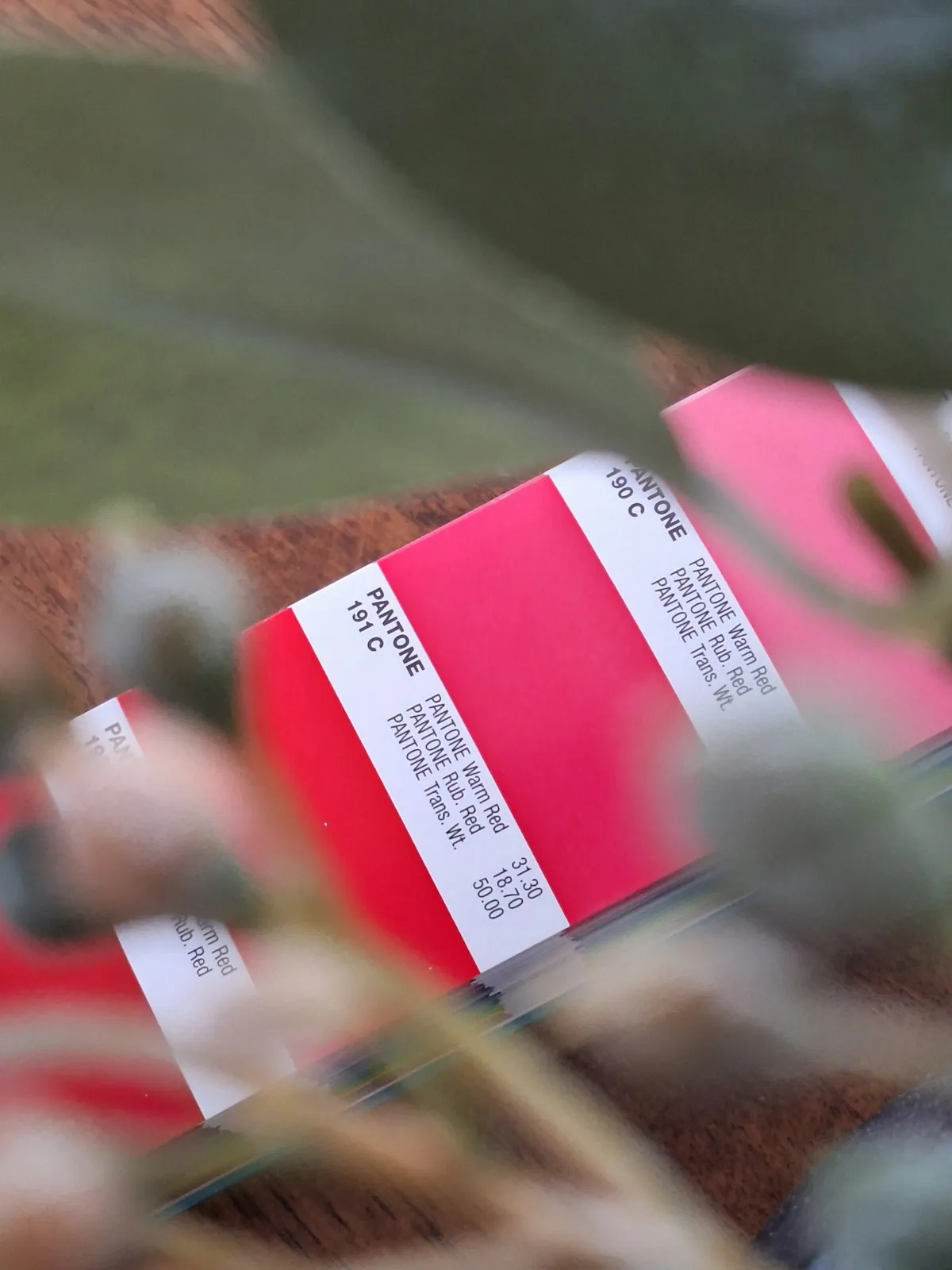
| Colour specs (CMYK, Pantone, acrylic or vinyl references) | Yes | Matches to materials |
| Print-ready vector artwork | Yes | Uses it for production |
| Measured site survey and shop drawing | No | Yes |
| Structure, materials, LEDs and wiring | No | Yes |
| Council and DBP submission | Supplies artwork | Often prepares the submission |
| Fabrication and installation | No | Yes |
We do not fabricate signboards. We design the artwork as part of a corporate identity project, so the sign matches your stationery, uniforms and packaging, and the rules go into your brand guidelines for future outlets.
How to brief your signboard project
- Measure the fascia or get the landlord’s façade drawing, and take straight-on photos in daylight and at night.
- Ask your council which documents and language rules apply to your area.
- Decide the sign type and lighting with your contractor.
- Get the artwork designed with the Bahasa Malaysia wording set at the right prominence.
- Have the contractor submit, and install only the approved design.
To start, send your shopfront photos and measurements through our quote form.

Questions clients ask before they hire us
Do I need a permit for a shop signboard in Malaysia?
Yes. Local councils license advertisements, including shop signboards, and you apply before the sign goes up. In Kuala Lumpur, paragraph 5(1) of the advertisement by-laws requires a DBKL licence, and the application runs through DBKL's e-licensing system. Other councils have their own by-laws, so check the process with yours.
Must my signboard be in Bahasa Malaysia?
In Kuala Lumpur, yes. DBKL says advertisements must be in the national language, other languages may appear alongside it, and the Bahasa Malaysia letters must be larger. Many other councils apply a similar rule, but the details differ, so confirm with your council before you finalise the artwork.
Do I have to translate my brand name into Bahasa Malaysia?
No, according to DBKL's statement on the rule. A business, company or society name registered in another language does not have to be translated. The descriptive words around it, such as the type of shop, are what need Bahasa Malaysia.
What is DBP approval for signboards?
Dewan Bahasa dan Pustaka (DBP) checks the Bahasa Malaysia wording on the sign. In Kuala Lumpur, DBP's visual confirmation is a mandatory document for the signboard licence application. Install exactly the design DBP saw, because a sign that differs from the approved artwork can be ordered down.
Does O2O Creative make and install signboards?
No. We design the signboard artwork: the logo lockup, layout, wording and colour specifications. A signboard contractor fabricates and installs it, and usually handles the structural side of the council submission. We supply print-ready vector files and can review the contractor's shop drawing against the design.
Tell us what you are making
Send the basics. We reply within one working day with questions or a fixed quote.
- WhatsApp us
- sales@o2ocreative.my
- +603 7620 7020, 10am to 7pm, Monday to Friday
Petaling Jaya
Unit B-01-3A, 3 Two Square, No. 2, Jalan 19/1, Section 19, 46300 Petaling Jaya, Selangor
Penang
1-12-6, Suntech @ Penang Cybercity, Lintang Mayang Pasir 3, Bayan Baru, 11950 Bayan Lepas, Penang